

bad Day? Call Fauria!
Proudly serving Orange County with Residential and Commercial Plumbing Services
CALL (949) 259-4860 today FOR YOUR FREE ESTIMATE!
Quality Craftmanship you can trust
From simple leaks to upgrades, Fauria Plumbing has you covered!
-
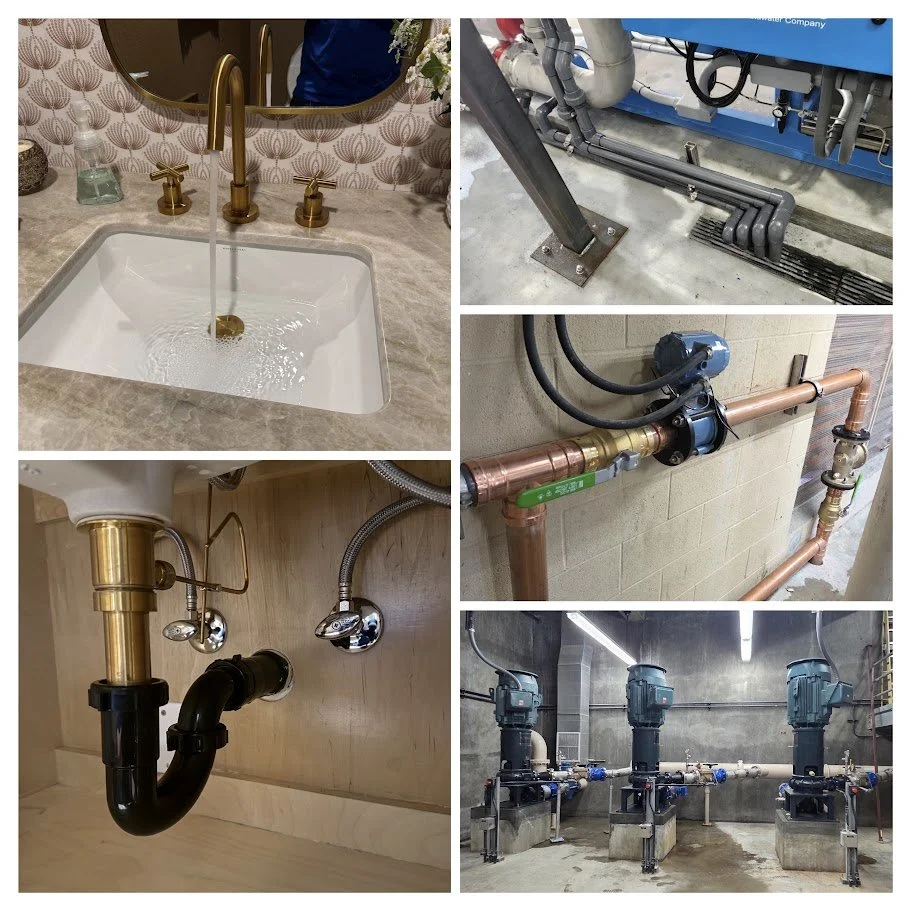
Leak Repairs (faucets, pipes, toilets)
Unclogging drains and sewers
Water heater repair/replacement
Installing or replacing fixtures (sinks, toilets, showers)
Sewer line camera inspection and repair
Re-piping (whole-house or partial
And much more!
-
Leak Repairs (flanges, joints, and fittings)
Water Heater and Boiler Maintenance
Pump maintenance and installation
Complex piping systems repairs, maintenance and installations
And much more!
Popular services

A home sewer camera inspection is a targeted diagnostic service where a technician feeds a waterproof, high-resolution camera into the sewer line to visually assess condition and locate problems. The crew positions access at a cleanout or cleanout/fixture, reels the camera through the pipe while monitoring live video on a portable screen, and records footage and still images for documentation.
Typical findings include blockages (roots, grease, debris), collapses or cracks, bellied/separated joints, offsets, tree root intrusion, scale buildup, and improper pitch or sagging. The inspection identifies exact problem locations (depth and distance from access), pipe material and diameter, and overall pipe condition, which informs whether a simple clearing, targeted repair, sectional replacement, or full-line trenchless replacement (e.g., pipe lining) is needed.
Benefits: precise diagnosis without unnecessary digging, faster repair planning, cost savings, and a visual record for homeowners or real estate transactions. Typical duration: 30–90 minutes depending on pipe length and complexity. Technicians provide a concise report with video clips, images, and recommended next steps.
A home re-pipe is the complete replacement of a house’s existing water supply piping—usually copper, galvanized steel, or old polybutylene—with new, durable piping (commonly PEX or copper). It involves removing accessible sections of the old pipes, installing new main lines and branch lines to fixtures (kitchens, bathrooms, laundry), connecting to the shutoff and water meter, pressure-testing the system, and restoring any walls, floors, or ceilings disturbed during the work. A re-pipe eliminates recurring leaks, low water pressure, rust-colored water, and corrosion-related failures, and it’s often the best long-term solution for aging or compromised plumbing systems. Typical timelines: one to several days depending on house size and scope.
A whole-house water filtration system installation typically follows these steps:
Site assessment: Technician inspects the main water line, measures water pressure, and tests water quality to determine the right filter type and location (usually where the main supply enters the home).
System selection: Choose the appropriate system (sediment filter, carbon filter, softener, UV, or combination) based on contaminants found and household needs.
Shutoff and drain: Turn off the main water supply and relieve pressure by opening faucets and draining lines.
Mounting and plumbing: Install the filter housing or tank near the main line. Cut and connect the piping (PVC, copper, or PEX) with appropriate fittings, installing bypass valves so the system can be serviced without shutting off water to the house.
Hookups and electrical: Connect bypass lines, install pressure gauges, and, if required, wire electrical components for UV lamps or electronic controls and timers.
Filtration media and cartridges: Insert cartridges or fill tanks with the chosen media (activated carbon, KDF, resin, etc.), ensure seals and O-rings are seated properly, and secure housings.
Start-up and leak check: Slowly restore water, purge air from the system, check for leaks, and adjust pressure or flow settings as needed.
Final testing and education: Test filtered water to confirm contaminant reduction, demonstrate system operation and maintenance (filter replacement intervals, flushing, and sanitizing), and document installation details.
Typical install time: 2–6 hours depending on complexity. Routine maintenance: replace cartridges or media per manufacturer recommendations (commonly every 6–12 months for cartridges; resin and UV maintenance as specified).

Ready To Tackle A Project?
Send us a message. We are happy to help!